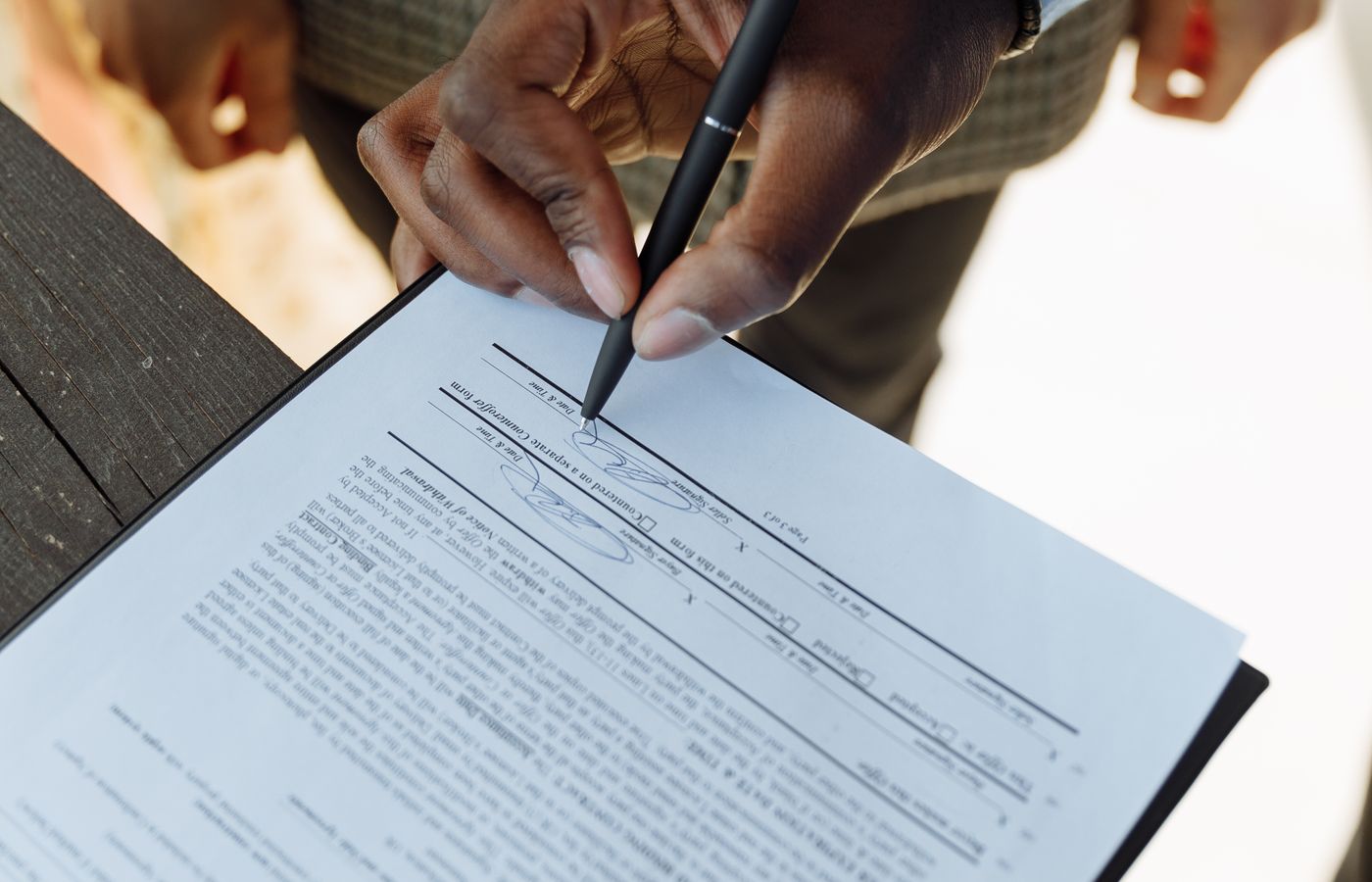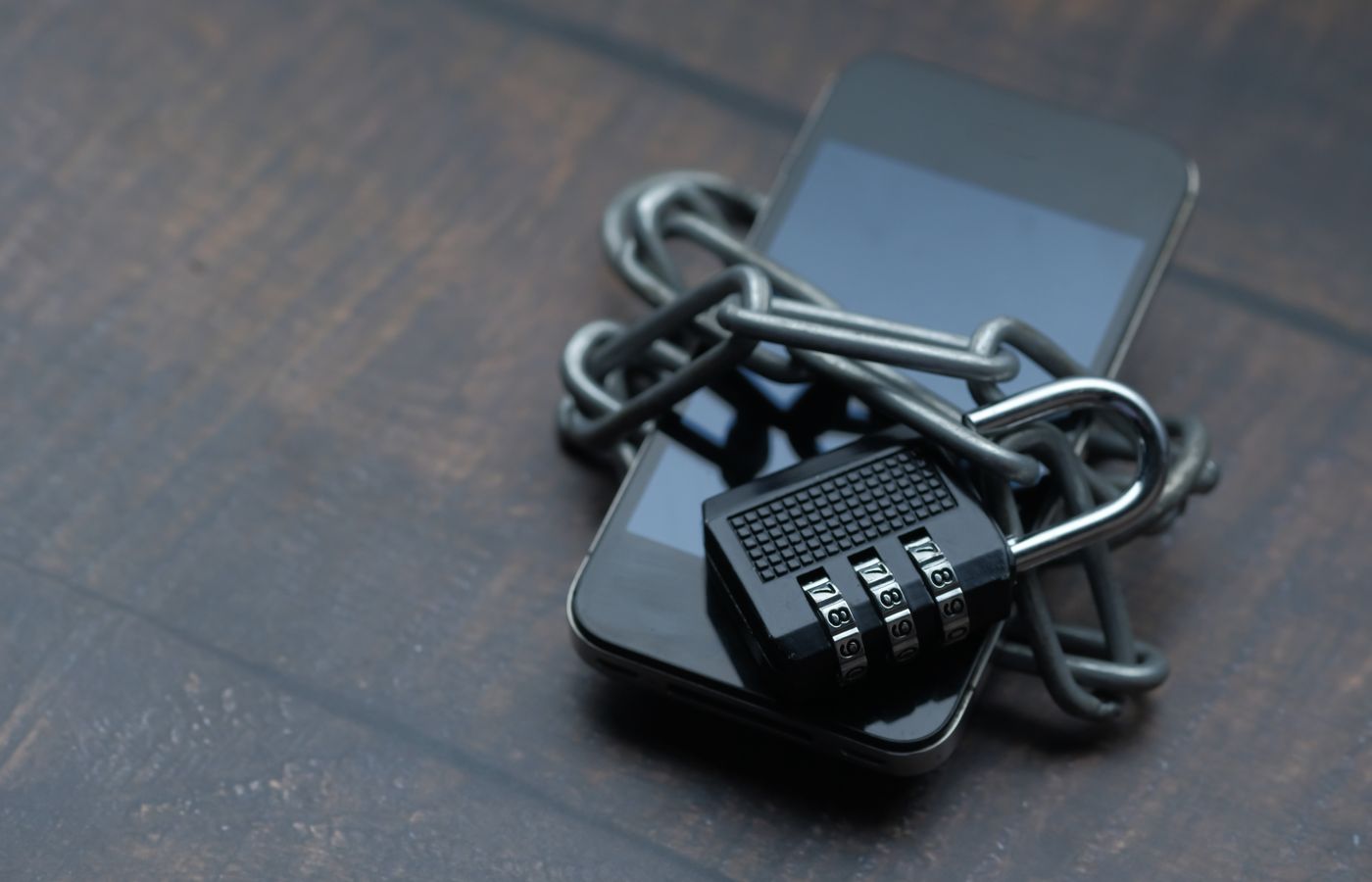
Pawnshops have always taken security seriously. Cash is controlled. Jewelry and other pawned items are stored securely. Access to vaults is restricted. Transactions are documented.
But there is another valuable asset that can be easier to overlook: the information behind every transaction.
Customer identification details, pawn tickets, transaction histories, renewal records, item information, employee accounts, and branch reports increasingly exist in digital systems. Losing access to those records — or allowing the wrong person to access them — can disrupt operations just as quickly as a physical security problem.
For modern pawnshops, protecting the vault is no longer enough. The data needs protection too.
Why data security matters more for pawnshops
A pawnshop does not simply maintain a list of customers.
Every transaction can create a trail of information involving the customer, the pawned item, the amount released, transaction dates, renewals, payments, redemption, and other supporting records.
For pawnshops in the Philippines, maintaining these records is also a regulatory responsibility. Updated Bangko Sentral ng Pilipinas rules require pawnshops to maintain true and accurate records of daily transactions and generally retain records for at least five years. Pawnshop records — including electronic records — must also have backup copies that allow them to be reconstructed if they are lost or destroyed.
Personal information adds another responsibility. Under the Philippine Data Privacy Act, organizations that process personal information must implement reasonable organizational, physical, and technical safeguards against risks such as unauthorized access, accidental loss, destruction, alteration, and disclosure.
So data security isn't just an IT issue. It is part of protecting customers, maintaining reliable records, keeping operations running, and meeting the responsibilities that come with operating a pawnshop.
The security risk isn't always a sophisticated hacker
When business owners hear "cybersecurity," it is easy to imagine highly sophisticated attacks against large banks or multinational companies. But many security incidents begin with much simpler situations.
- A staff member shares a password.
- Someone leaves an account logged in.
- A former employee still has access.
- An outdated computer is connected to the business network.
- An employee clicks a convincing phishing email.
- Important files are stored on one computer without a usable backup.
These are risks businesses around the world face. Cybersecurity guidance for small businesses from both NIST and the U.S. Federal Trade Commission emphasizes basic protections such as limiting access, using strong authentication, keeping software updated, maintaining backups, and training employees.
For a pawnshop, those basics matter because the information being protected is closely connected to everyday operations.
1. Give every employee their own access
One of the simplest improvements a pawnshop can make is to stop sharing the same system account among several employees.
If five staff members use one username, it becomes difficult to know who accessed a record or made a change. Individual accounts create accountability.
Access should also match the employee's responsibilities. A cashier, branch manager, administrator, and owner do not necessarily need access to the same information or system functions.
The principle is simple: employees should have access to what they need to do their jobs — not everything in the system. Limiting access to sensitive information on a need-to-know basis is also a core cybersecurity practice recommended for businesses internationally.
2. Protect accounts with more than a weak password
Passwords such as a business name, employee birthday, password123, or the same password used for several accounts create unnecessary risk. Use strong, unique passwords and avoid sharing them through chat, text, or email.
Where available, enable multi-factor authentication (MFA). MFA requires another form of verification in addition to the password, making an account harder to compromise even if someone obtains the password. NIST specifically recommends MFA, particularly for accounts that provide access to important business systems and information.
For owners and administrators with wider system access, stronger authentication becomes even more important.
3. Have backups — and make sure they actually work
Imagine arriving at the pawnshop one morning and discovering that the computer containing years of transaction records will no longer start. Or that ransomware has locked the files.
A backup determines whether that situation becomes an inconvenience or a serious operational crisis.
BSP rules specifically require pawnshop records to have hard and/or soft-copy backups that allow records to be reconstructed after loss or destruction. But simply saying "we have backups" isn't enough.
What to confirm about your backups
- What exactly is being backed up
- Where the backup is stored
- How frequently it happens
- Whether the information can actually be restored
General cybersecurity guidance also recommends keeping regular backups and protecting backup copies so an attack on the main network cannot easily destroy them as well.
4. Keep software and devices updated
That old computer at the back of the branch may still work perfectly well for everyday transactions. But if its operating system or software is no longer receiving security updates, it can become a weak point.
Software updates frequently contain patches for known vulnerabilities. Cybersecurity guidance for businesses consistently recommends keeping operating systems, applications, browsers, and security software current and enabling automatic updates where practical.
This applies not only to the main pawnshop system but also to computers, mobile devices, browsers, email accounts, and other technology employees use to access business information.
5. Make employees part of the security system
Technology cannot protect a business from every mistake.
An employee may receive an email that appears to come from management asking them to urgently open an attachment. A message might pretend to come from a supplier. A fake login page might look almost identical to a legitimate one. This is phishing, and it remains a common way attackers try to gain access to business systems.
Employees should know how to recognize suspicious emails and messages, avoid unexpected attachments, question unusual requests for credentials, and report something suspicious instead of simply clicking it.
The FTC recommends making phishing awareness and cybersecurity training part of regular employee education rather than treating it as a one-time exercise. For pawnshops, this is especially important because an employee account may provide access to customer and transaction information.
Security becomes even more important as the pawnshop grows
One branch with a handful of employees can sometimes manage access informally. Ten branches cannot.
As the operation expands, there are more users, more devices, more customer records, and more people who need different levels of access. Management also needs a reliable way to know who can access important information and how records are protected across locations.
BSP guidance has long emphasized internal controls and maintaining records with sufficient detail to establish an audit trail, including appropriate controls for pawnshops operating several offices. This is where centralized systems, controlled user access, consistent processes, and reliable records become increasingly important.
Protect the information as carefully as the item
Cybersecurity does not have to start with expensive technology or complicated terminology. Start with practical questions.
- Who can access customer records?
- Does every employee have their own account?
- What happens when someone leaves the company?
- Are important records backed up, and could you restore them tomorrow if the main system failed?
- Are employees trained to recognize suspicious messages?
- Is old software still being used simply because it has always worked?
Those questions expose many of the risks that businesses otherwise discover only after something goes wrong.
Pawnshops already understand the importance of safeguarding something valuable. Today, that same thinking needs to extend beyond the items inside the vault to the information that keeps the business running.
Frequently asked questions
What customer information should a pawnshop protect?
How long should Philippine pawnshops keep transaction records?
Are Philippine pawnshops required to back up their records?
Should every pawnshop employee have a separate system account?
What are the most important cybersecurity measures for a small pawnshop?
Is pawnshop software automatically more secure than spreadsheets?
Your pawnshop protects every valuable item. Your data deserves the same attention.
See how Zycure can help bring pawnshop transactions, customer records, reporting, and day-to-day operations into a more centralized system.